The story
Everything
good was
altered
first.
Brand narrative — the version told internally, and the source of every campaign line.
American clothing has one honest origin story and it isn’t a boathouse. It’s a back room with a machine in it.
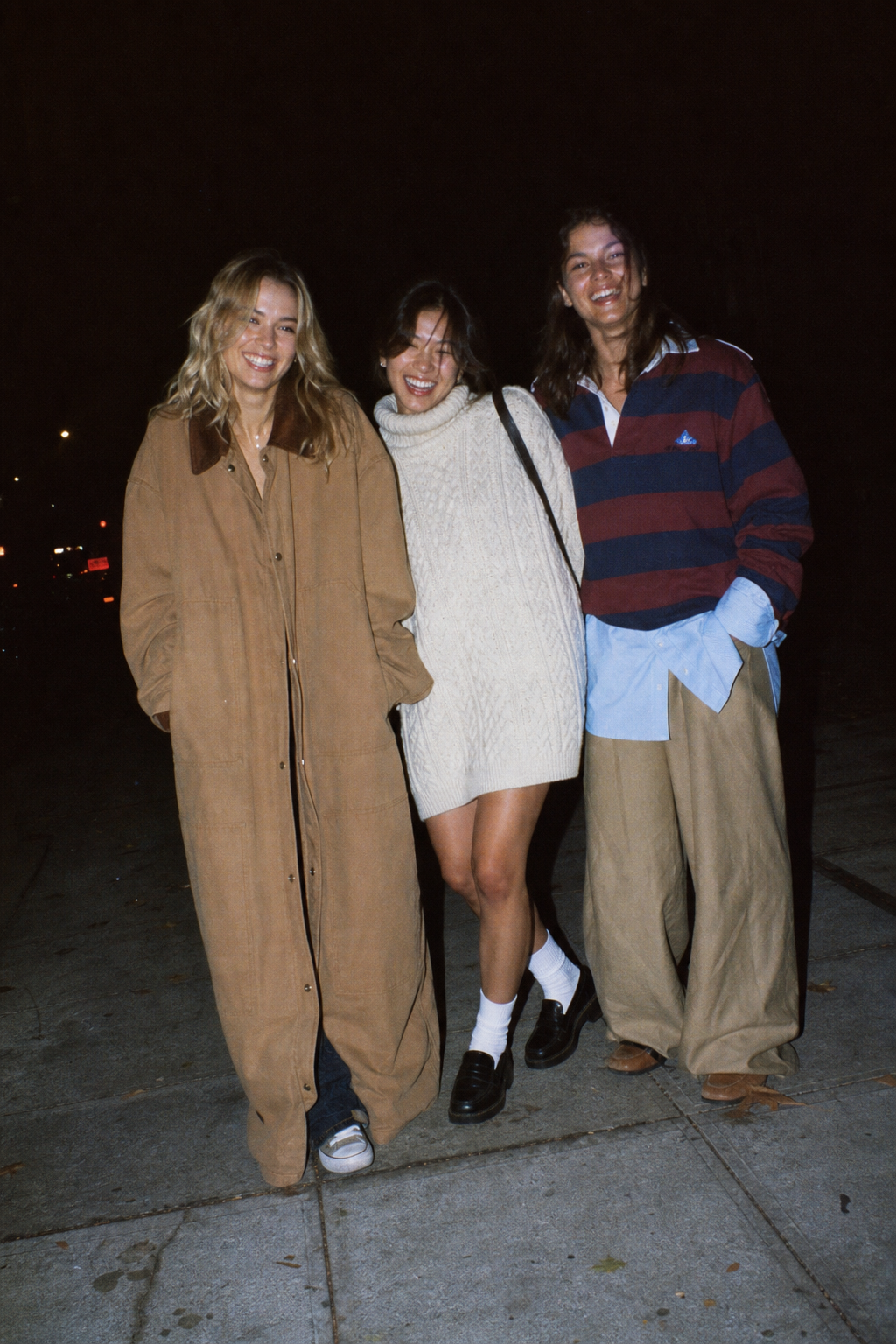
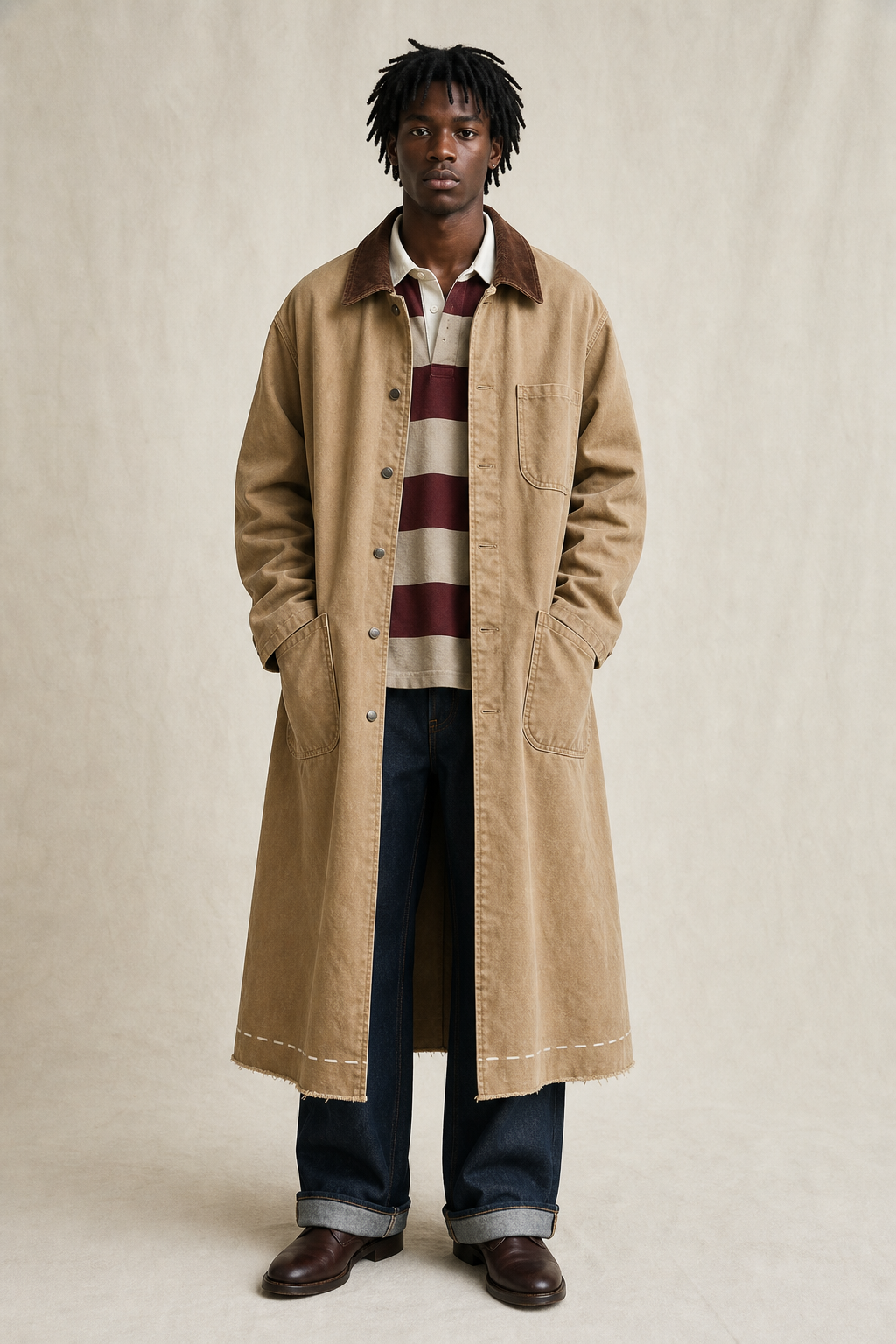
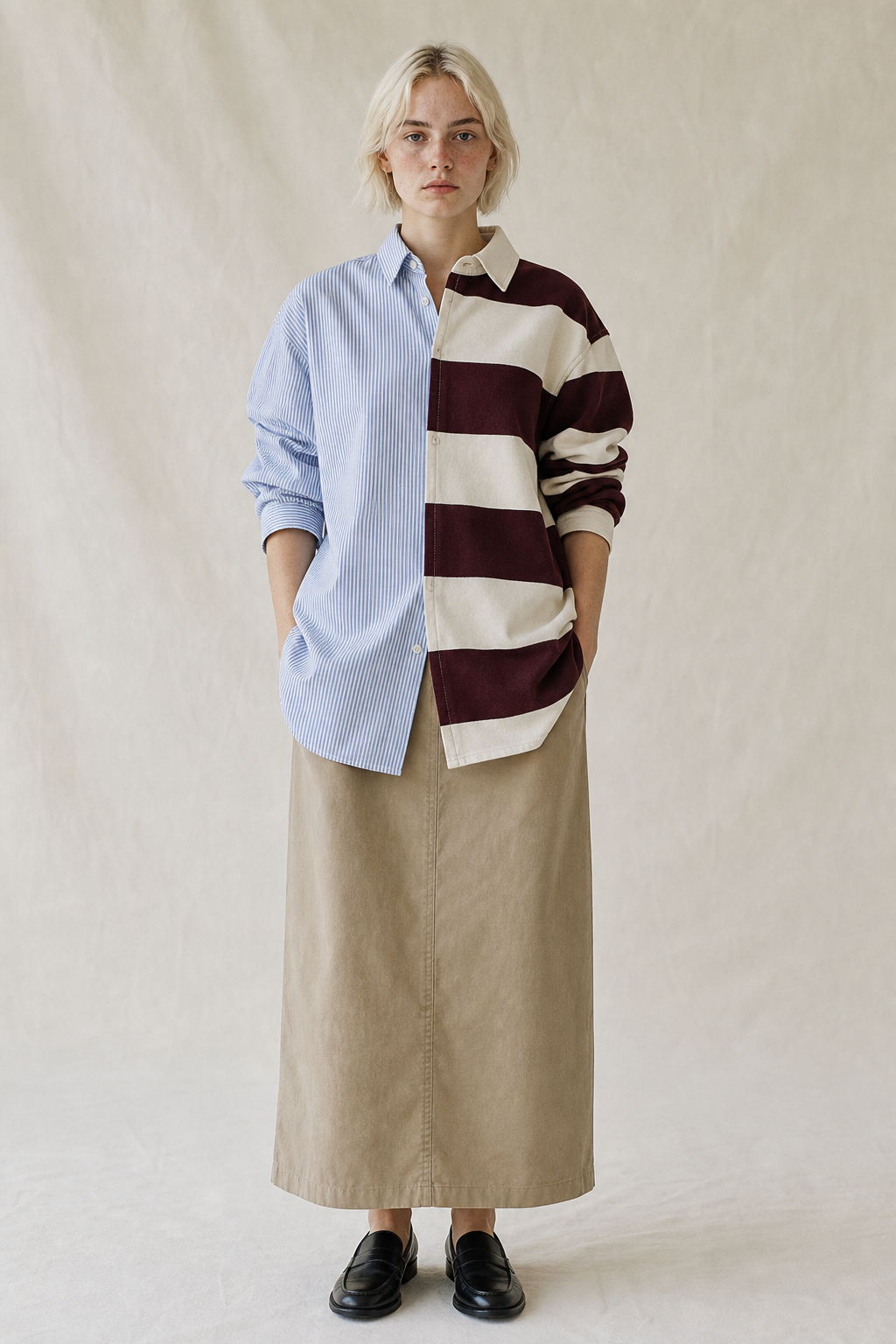
The chino was a military trouser somebody shortened. The oxford shirt was a rowing kit somebody wore to class. The barn jacket was work clothing that stopped going to work. None of these things were designed to be style. They became style because somebody took a finished object and used it wrong.
J.Crew has spent forty years selling the results of that process and none of it teaching the process. It sent out a catalogue of conclusions. Which is a fine business until the conclusions stop feeling like anybody’s.
So we are going to stop shipping conclusions.
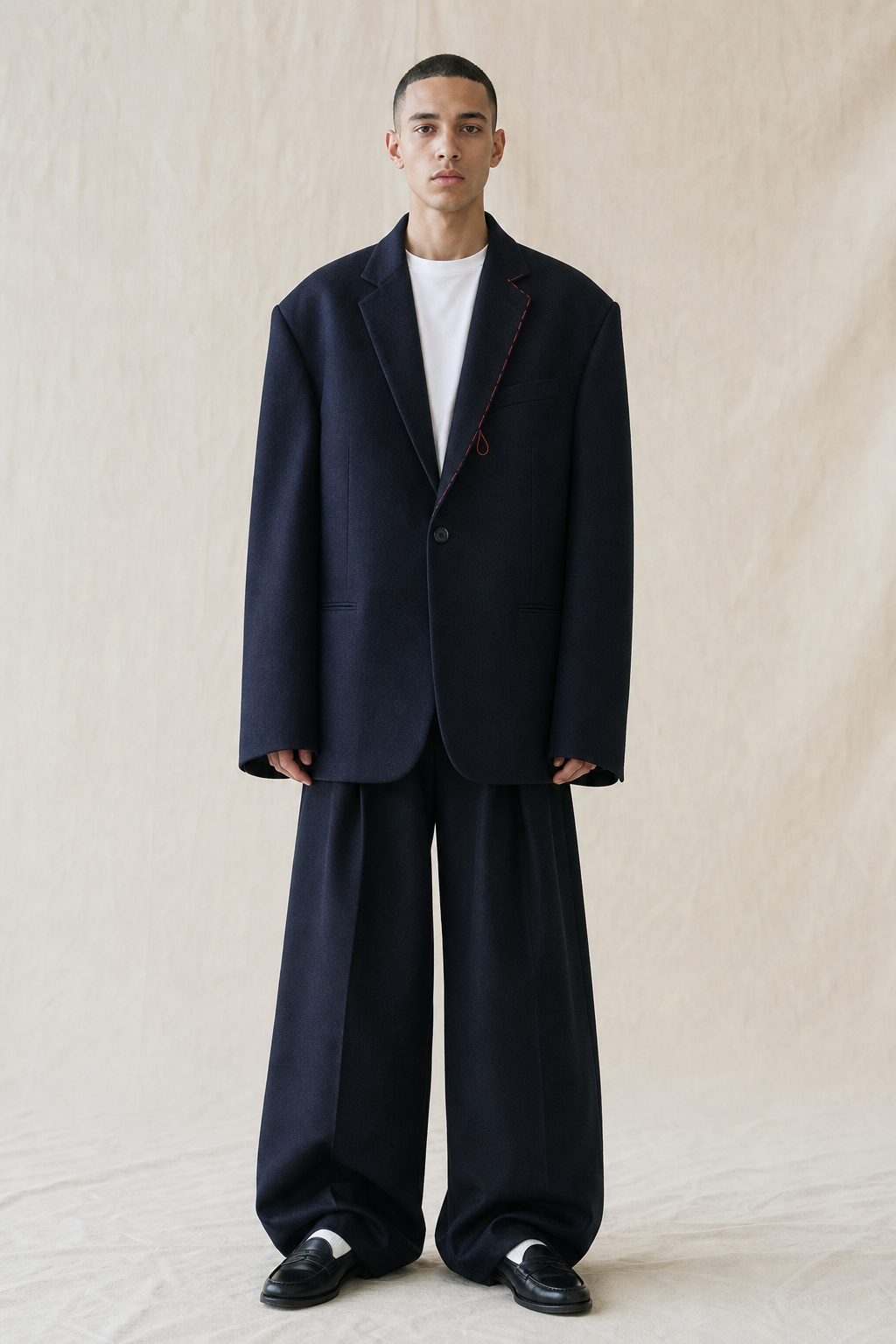
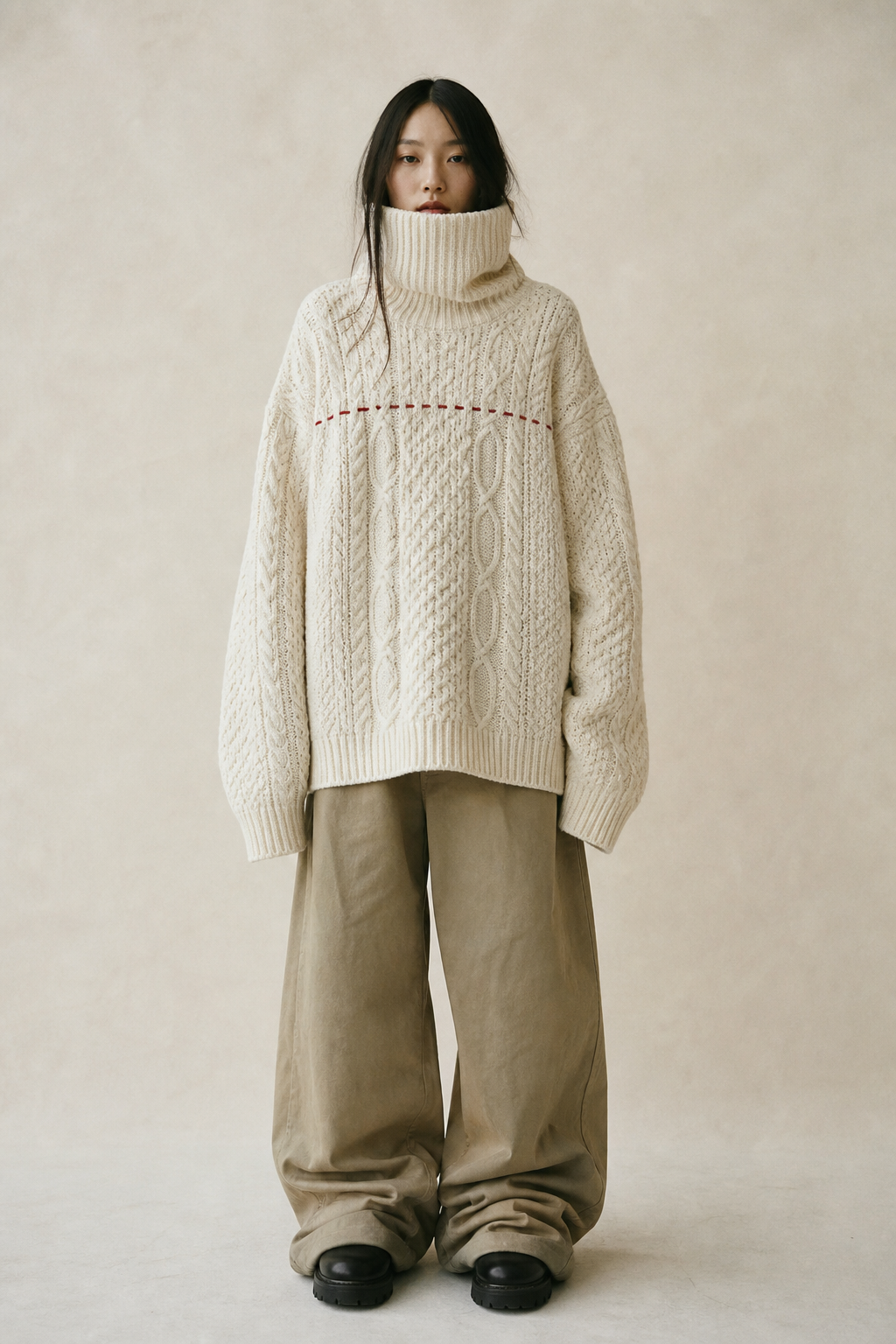
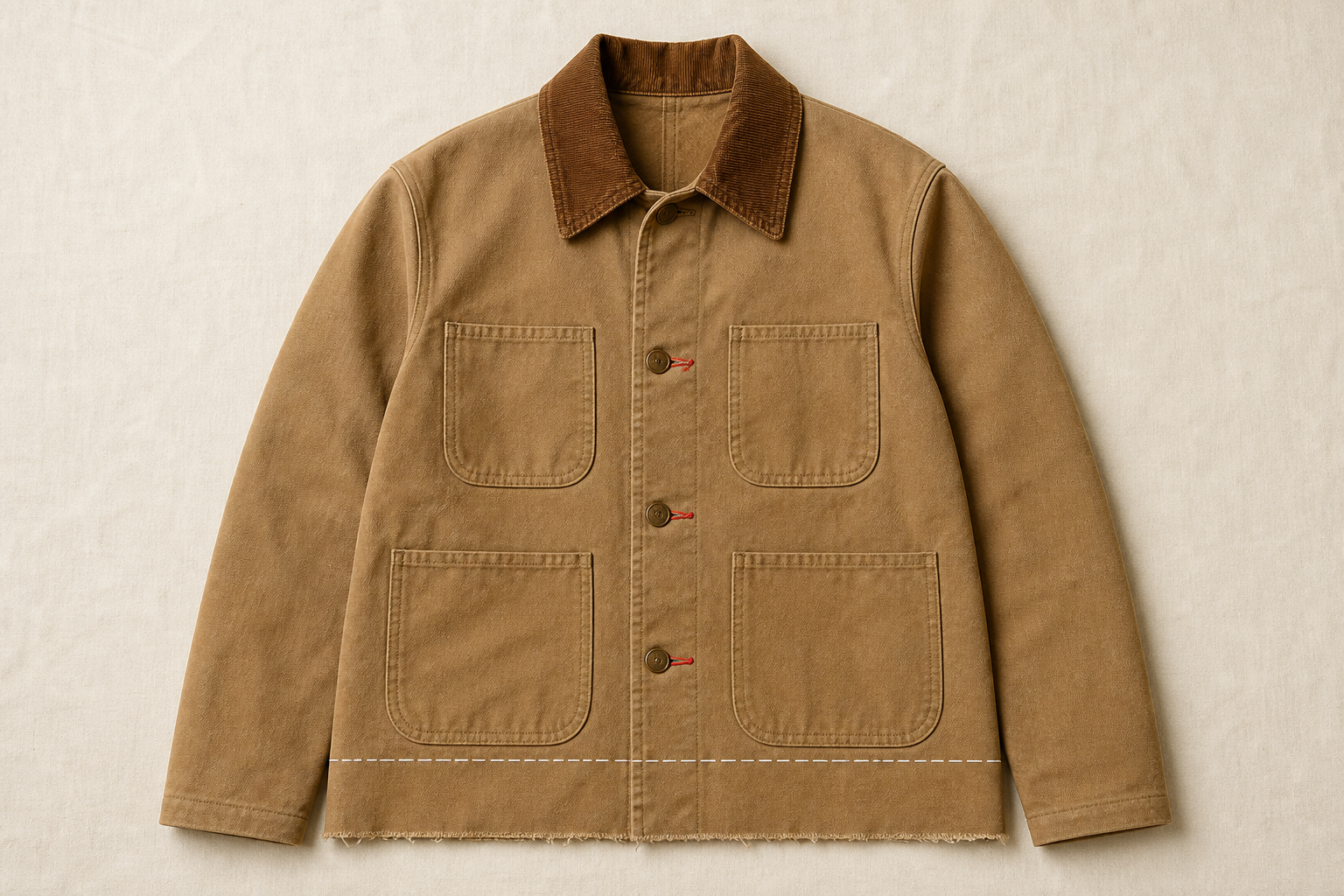
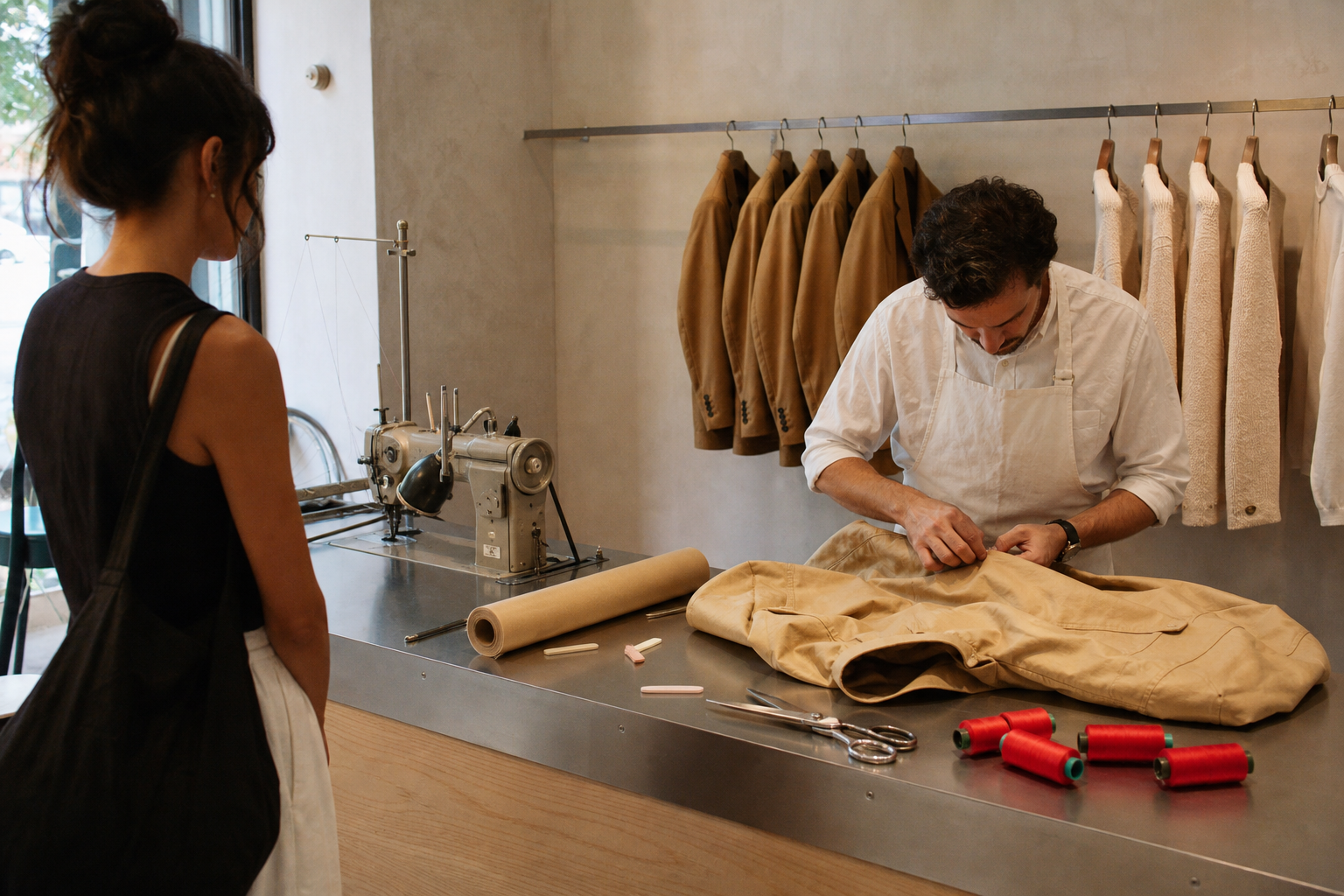
From now on a J.Crew garment arrives at the last useful moment before it is finished. The hem is long. The chalk line is printed on the cloth where we think it should be cut, and you are welcome to disagree. The basting thread that held the lapel while it was made is left in, in red, so you can see the hand that made it. It is not distressed and it is not unfinished by accident. It is stopped, on purpose, one step early — and the last step happens with you in the room.
That step is free, in every store, for as long as you own it.
We make the classics. You make them yours. That was always the actual deal — we just used to do both halves ourselves.